
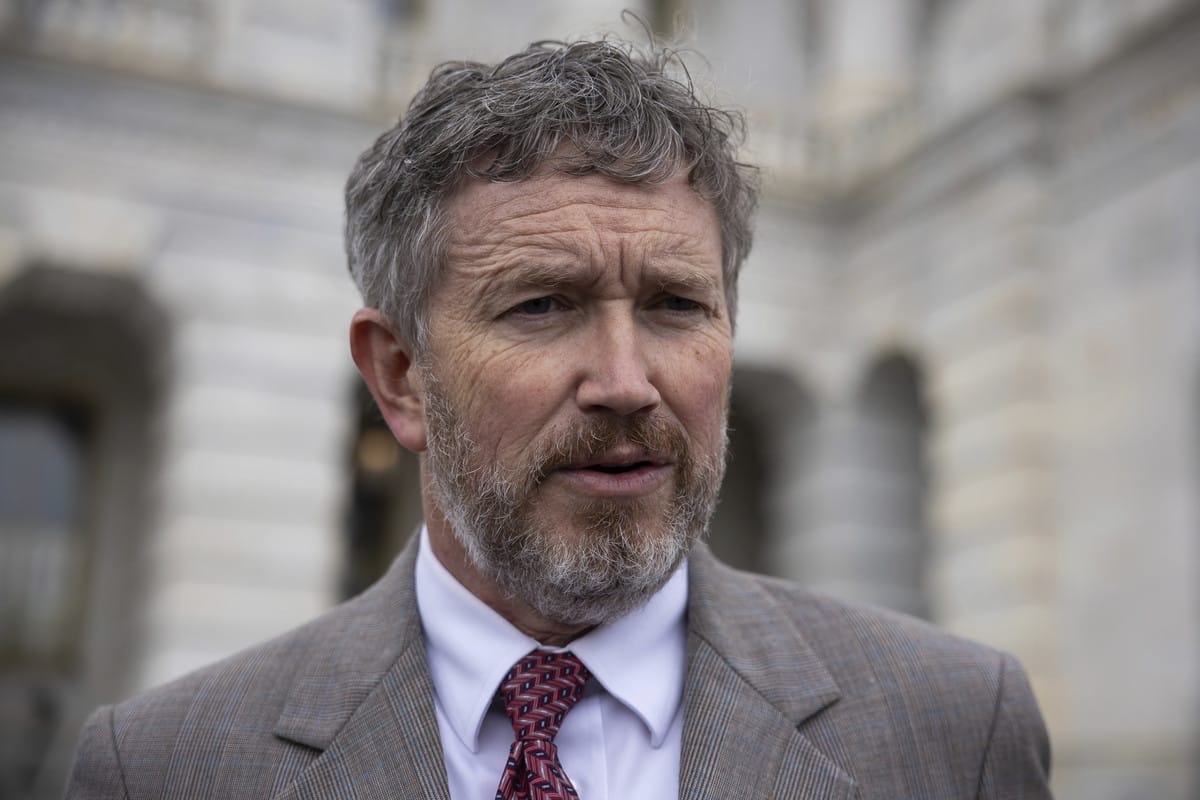

With the Justice Department missing the legal deadline to release all Jeffrey Epstein-related files, Republican Rep. Thomas Massie is demanding accountability — and he’s laying down a clear measure of transparency that critics say will expose whether the DOJ is acting in good faith.
Massie, a longtime skeptic of government secrecy, says he’s not impressed by partial releases of documents unless they include specific names that he and victims’ attorneys already know exist in FBI files. If these names aren’t included, Massie says, it will show that the department hasn’t truly complied with the law Congress passed last month — even though the DOJ claims it’s handing over hundreds of thousands of pages.
Under the Epstein Files Transparency Act — legislation signed by President Donald Trump requiring all unclassified records connected to Epstein be made public — the DOJ was supposed to complete its disclosures by Friday. But Deputy Attorney General Todd Blanche confirmed the department will miss that deadline and roll out releases in phases to protect victims’ privacy and ensure proper redaction.
Massie isn’t satisfied. Posting on X, he said that unless the department actually produces documents containing the names he knows are in FBI possession, it will be obvious that the public still isn’t seeing the full picture — and that Congress’s intent has been watered down. “Time’s up,” he wrote.
The clash underscores rising frustration among conservatives and victims’ advocates that the federal government is dragging its feet on disclosure, even as bipartisan pressure mounted to force transparency on one of the most controversial criminal cases in recent U.S. history.
Speaker Mike Johnson previously warned that overly broad releases could unfairly harm individuals named in the files who had no involvement in criminal activity — a concern echoed by civil-liberties supporters on both sides of the aisle.
As the DOJ continues to release documents in stages over the coming weeks, Massie’s challenge sets an early benchmark for accountability — and a reminder that many in Washington are watching closely for anything less than full transparency.